Dealing with uneven skin tone or dark spots can be frustrating, but finding the right Pigmentation Treatment in Dubai can help restore your skin's natural glow. With so many options available, it’s essential to understand your skin type, the causes of pigmentation, and the treatment methods that best suit your needs. In this guide, we’ll break down everything you need to consider when choosing a pigmentation treatment, helping you make informed and confident decisions.
Understanding Pigmentation and Its Causes
Before diving into treatments, it’s important to understand what pigmentation is and why it occurs. Pigmentation is the result of excess melanin production in the skin, leading to dark spots, uneven skin tone, and discoloration. Common causes include:
Sun exposure: UV rays trigger melanin production, often causing sunspots.
Hormonal changes: Pregnancy, birth control, or hormonal imbalances can lead to melasma.
Aging: As we age, skin cells regenerate slower, causing age spots.
Skin injuries: Acne scars or wounds can lead to post-inflammatory hyperpigmentation.
Understanding the root cause of your pigmentation will help you select a treatment that addresses the problem effectively rather than just masking it.
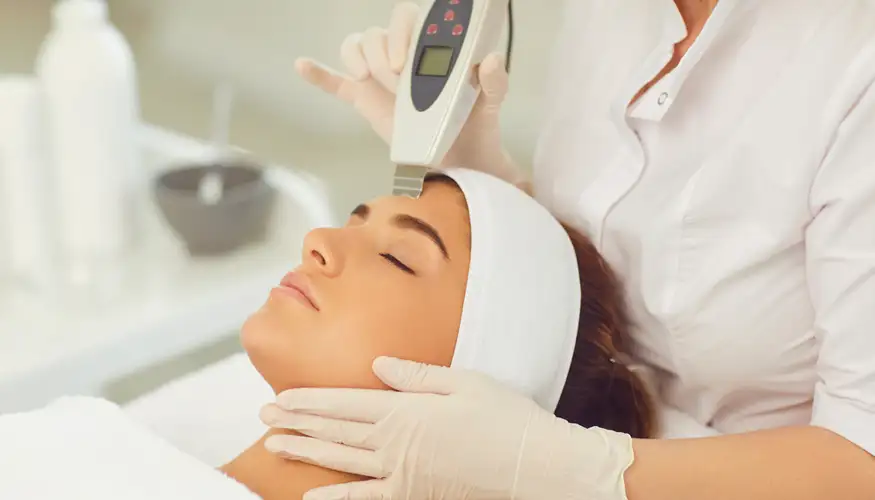
Identifying Your Skin Typ
Not all treatments work the same on every skin type. Choosing the right approach starts with knowing whether your skin is:
Oily: Prone to acne and may react differently to chemical peels.
Dry: Sensitive to harsh treatments and may require gentler methods.
Combination: Needs a balanced approach to target problem areas without over-drying other zones.
Sensitive: Reacts easily to chemicals and laser treatments, requiring a tailored plan.
Knowing your skin type allows you to choose treatments that maximize results while minimizing irritation or damage.
Exploring Pigmentation Treatment Options
Once you understand your skin type and pigmentation cause, it’s time to explore the treatment options. Here are some of the most effective methods:
Topical Treatments
Creams and serums containing ingredients like hydroquinone, vitamin C, retinoids, or niacinamide can gradually lighten dark spots and improve overall skin tone. These treatments are ideal for mild pigmentation and can be incorporated into your daily skincare routine. They are less invasive, but consistency and patience are key.
Chemical Peels
Chemical peels work by exfoliating the outer layer of the skin, removing pigmented cells, and stimulating new skin growth. They can range from light to deep peels, depending on the severity of pigmentation. While effective, it’s important to follow post-treatment care to prevent irritation or increased sensitivity.
Laser Therapy
Laser treatments target melanin directly, breaking it down and promoting even skin tone. Advanced laser technologies can treat stubborn pigmentation and are suitable for moderate to severe cases. Multiple sessions may be required, but results are often faster compared to topical solutions.
Microneedling
Microneedling involves creating tiny punctures in the skin to stimulate collagen production and improve skin texture. When combined with topical treatments or serums, it can effectively reduce pigmentation and improve overall skin health.
Natural Remedies and Lifestyle Adjustments
While professional treatments are highly effective, simple lifestyle adjustments can complement them and prevent future pigmentation issues:
Regularly apply sunscreen with broad-spectrum protection.
Avoid excessive sun exposure, especially during peak hours.
Maintain a healthy diet rich in antioxidants.
Stay hydrated to support skin regeneration.
How to Choose the Best Treatment for You
Choosing the right pigmentation treatment depends on several factors:
Severity of pigmentation: Mild spots may respond well to topical treatments, while severe pigmentation may require laser therapy.
Skin sensitivity: Sensitive skin may need gentler options like light chemical peels or natural remedies.
Desired results: Consider how quickly you want results and how much downtime you’re willing to tolerate.
Consistency: Some treatments require long-term commitment, while others offer faster results with fewer sessions.
It’s also helpful to combine approaches for a more comprehensive solution. For example, using topical creams alongside laser therapy or chemical peels can enhance results and maintain an even skin tone.
Final Thoughts
Choosing the right pigmentation treatment doesn’t have to be overwhelming. By understanding your skin type, identifying the root cause of pigmentation, and exploring available treatment options, you can make a confident decision that restores your skin’s natural radiance. Remember, patience and consistency are key—every skin journey is unique, and the best results come from a treatment plan tailored specifically to your needs.
Investing time in understanding your skin and treatment options ensures that you achieve lasting results and enjoy the healthy, glowing complexion you deserve.