Hair loss can be an emotionally challenging experience, impacting confidence and self-esteem. With modern advancements in cosmetic procedures, more people are turning to Hair Transplant in Dubai as a reliable solution. However, one of the most common concerns among prospective patients is safety. Are hair transplants truly safe, and what should one know before undergoing this procedure? Let’s explore the key aspects to help you make an informed decision.
Understanding Hair Transplant Procedures
Hair transplants are surgical procedures designed to restore hair to areas affected by thinning or baldness. The two most popular methods are Follicular Unit Extraction (FUE) and Follicular Unit Transplantation (FUT). In FUE, individual hair follicles are extracted from a donor area and implanted into the thinning area. FUT, on the other hand, involves removing a strip of scalp from the donor area, which is then dissected into individual grafts for transplantation.
Both methods are minimally invasive and generally well-tolerated, but knowing the process helps patients understand what to expect and eases anxiety about potential risks.
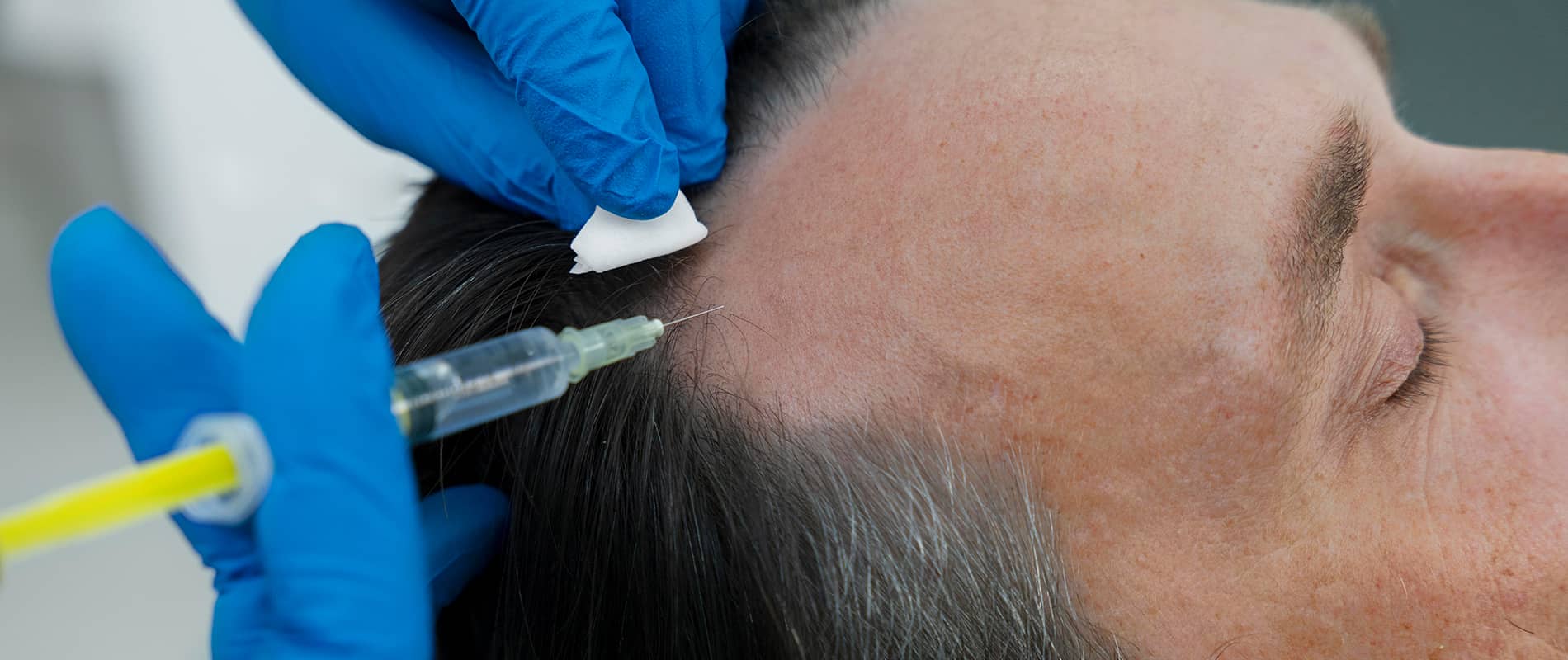
Who Can Benefit From a Hair Transplant?
Hair transplants are suitable for individuals experiencing hair thinning due to genetics, trauma, or certain medical conditions. Ideal candidates typically have sufficient donor hair density and good overall health. It’s important to note that while age is not a strict limitation, younger patients with progressive hair loss might require additional sessions in the future.
Understanding your candidacy can significantly improve outcomes and reduce the likelihood of complications, contributing to the overall safety of the procedure.
Safety Factors to Consider
Safety is a primary concern when it comes to any surgical procedure. Hair transplants are considered safe for most individuals, but certain factors play a crucial role:
Medical Evaluation: A comprehensive assessment of your health history ensures that you do not have underlying conditions that could increase surgical risks.
Procedure Type: Both FUE and FUT are safe, but FUE is often preferred for its minimally invasive nature, reduced scarring, and faster recovery time.
Post-Operative Care: Following the post-surgery instructions, such as avoiding direct sun exposure and using prescribed medications, is essential for preventing infections and promoting healthy hair growth.
Potential Risks and Side Effects
Although hair transplants are generally safe, some risks exist, as with any surgical procedure. Common side effects include mild swelling, temporary redness, and slight discomfort at the donor or recipient sites. These usually resolve within a few days to weeks. In rare cases, complications like infections, excessive bleeding, or scarring may occur, emphasizing the importance of proper aftercare and professional guidance.
Long-Term Safety and Effectiveness
Hair transplant procedures not only offer immediate cosmetic improvement but are also designed for long-term results. Transplanted hair follicles are usually resistant to the effects of DHT, the hormone responsible for male and female pattern baldness. This means that once the transplanted hair grows, it generally continues to thrive naturally over time, maintaining both appearance and density.
Moreover, advancements in technology have made hair transplants safer and more efficient than ever before, with improved graft survival rates and minimal downtime. Patients can now enjoy a natural-looking hairline with results that last for years.
Lifestyle and Maintenance Tips
To ensure the ongoing safety and success of a hair transplant, adopting a healthy lifestyle is key. Maintaining proper scalp hygiene, avoiding excessive heat or chemical treatments, and following a nutrient-rich diet can all contribute to stronger, healthier hair. Regular follow-ups with a hair specialist, even post-procedure, help in monitoring growth and addressing any concerns early on.
Conclusion
In summary, hair transplants are widely regarded as a safe and effective solution for hair loss. With modern techniques, careful planning, and diligent aftercare, most patients experience minimal risks and achieve lasting results. For anyone considering Hair Transplant in Dubai, understanding the procedure, potential side effects, and long-term maintenance is essential to making a confident decision. By prioritizing safety and realistic expectations, you can enjoy not only a restored hairline but also renewed self-assurance and overall well-being.